Best Time to Visit Luxor: Planning Temples, the Nile and Excursions
Updated September 10, 2026 · 5 min read
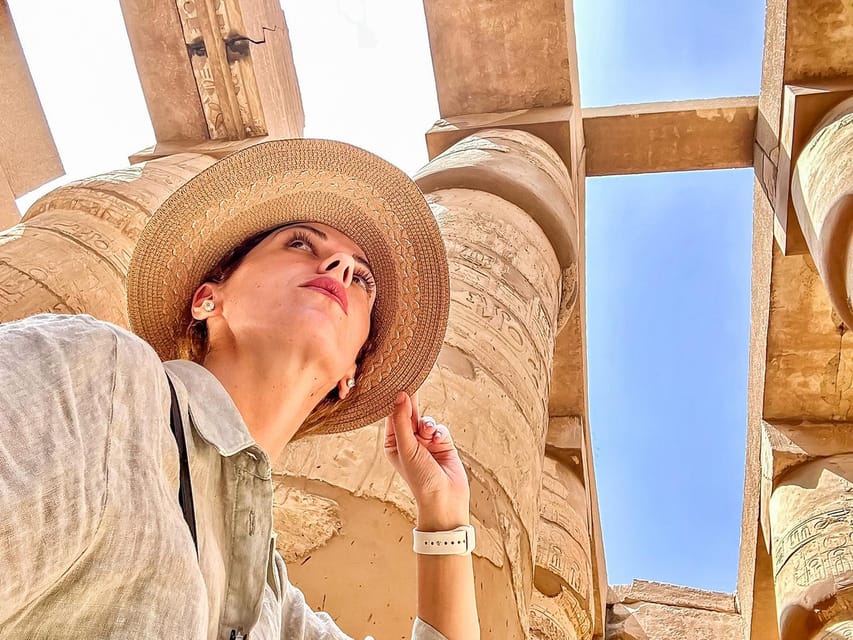
For a trip with plenty of temple visits, I’d look first at November to March in Luxor. The choice follows the climate: in these months, average daily highs sit well below those of summer. Anyone who mainly wants to relax by the pool and plans just a short excursion can weigh things differently than someone who wants to spend several days walking through temple complexes and tomb areas.
So there’s no single best month for every travel plan. What matters is your time outdoors, the activities you want, and whether you can shift an excursion if needed. The overview of Luxor’s sights helps you fix your destinations first and then choose the season to match.
November to March for a Sightseeing Focus
The World Meteorological Organization’s climate table for Luxor gives an average daily high of 23 degrees Celsius for January, and around 29 degrees for November. These figures are based on climate averages from 1981 to 2010. They describe long-term conditions; they are not a forecast for your travel dates and guarantee no particular temperature.
For longer walking tours, this period is my first choice, because the itinerary doesn’t have to be limited as strictly to short spells outdoors. Even so, you shouldn’t pack every sight into a single day. The West Bank with the Valley of the Kings in particular combines sightseeing with transfers and organisational pauses that can easily get lost in a tight schedule.
Also bear in mind the difference between daytime warmth and early morning. The climate table shows clearly lower average lows for the winter months. Plan clothing you can adjust over the course of the day, especially for an early pick-up. A sunny temple photo says little about how the start before sunrise actually feels.
Don’t Automatically Treat April and October as a Mild Transition Season
The WMO gives an average daily high of around 35 degrees for both April and October. Anyone choosing these months purely because of the labels “spring” and “autumn” may set their sightseeing scope too generously. Ask the same questions as for a hotter trip: when does the walking tour start, how long are you outside, and what break is actually scheduled?
For Karnak and Luxor Temple, I’d set a clear focus and only add further stops afterwards. A ride in an air-conditioned vehicle is no substitute for a well-timed break during the visit. Likewise, the term “half day” doesn’t automatically mean the outdoor sightseeing falls into the cooler part of the day.
If your travel dates are fixed, it’s better to adjust the itinerary than to bank on an unusually mild day. An earlier start can help, but it has to align with the current opening times and the actual pick-up. Have the schedule for your date confirmed, and check the weather forecast shortly before you travel.
Plan May to September with Limited Outdoor Time
In July, the average daily maximum according to the same climate table is a good 41 degrees. The neighbouring summer months are hot too. For a trip whose main purpose is extensive walking tours, I’d choose a different period if at all possible. If the summer holidays are your only option, the sightseeing plan should be scaled back accordingly.
Choose one focus per excursion and keep the option of returning earlier. With a private tour you can request such an arrangement; even so, the return trip, waiting times and the agreed stops still need to be confirmed. “Private” alone is no guarantee that the whole programme can be changed spontaneously.
A museum can be a good thematic addition, but it shouldn’t simply serve as a break that’s available on demand. Check the current opening hours and choose an exhibition that genuinely interests you. For families, there’s a dedicated article on heat and museums with children. Plan your free time just as deliberately as the booked excursion.
Hot Air Balloon Rides and Nile Trips Need Room in the Itinerary
I wouldn’t choose a hot air balloon ride over Luxor based on the travel month alone. Clarify the planned timing, the pick-up and the procedure for a weather-related cancellation with the operator. If this activity matters a lot to you, schedule it, where possible, so there’s still room in your stay for a postponement offered by the operator.
For a felucca sailing trip on the Nile, it’s just as worth asking precisely about the plan. Ask about duration, departure time, and the agreed approach if conditions don’t allow the planned trip. The season alone tells you neither the wind nor the experience you’ll have on the water.
A Nile cruise from Luxor isn’t entirely free time on board either. Compare the included shore excursions and their timing against the sightseeing scope you want. A travel date might suit the time on the ship while the accompanying excursion programme is too packed for you.
Don’t Infer Prices from the Season
The prices in our tour listings are snapshots of current offers, not an analysis across all months. You can’t conclude from this that a summer trip is generally cheaper, or that a particular winter month carries the highest price. For your actual dates, compare the chosen option, the included services and the cancellation terms.
Make sure you’re comparing the same scope of service. A tour with a different group size, different admissions or a different pick-up isn’t a clean price comparison. What matters more for your decision is whether the offer fits your planned day than whether a general season label sounds cheap.
Choose the Date Starting from Your Ideal Travel Day
Before booking, picture a typical day: an early start, a thorough temple tour, the return trip, a break and perhaps a walk later on. Then check whether the season and the confirmed times can actually support that schedule. The official ticket page for Luxor Temple is a good source for current admission details; don’t confuse the last entry time with the closing time.
If you’re travelling with children, match the season to their daily rhythm and the tips on Luxor with children. If mobility is limited, add the concrete routes and breaks. The right date is the one where your desired programme, with enough free time in between, stays realistic.